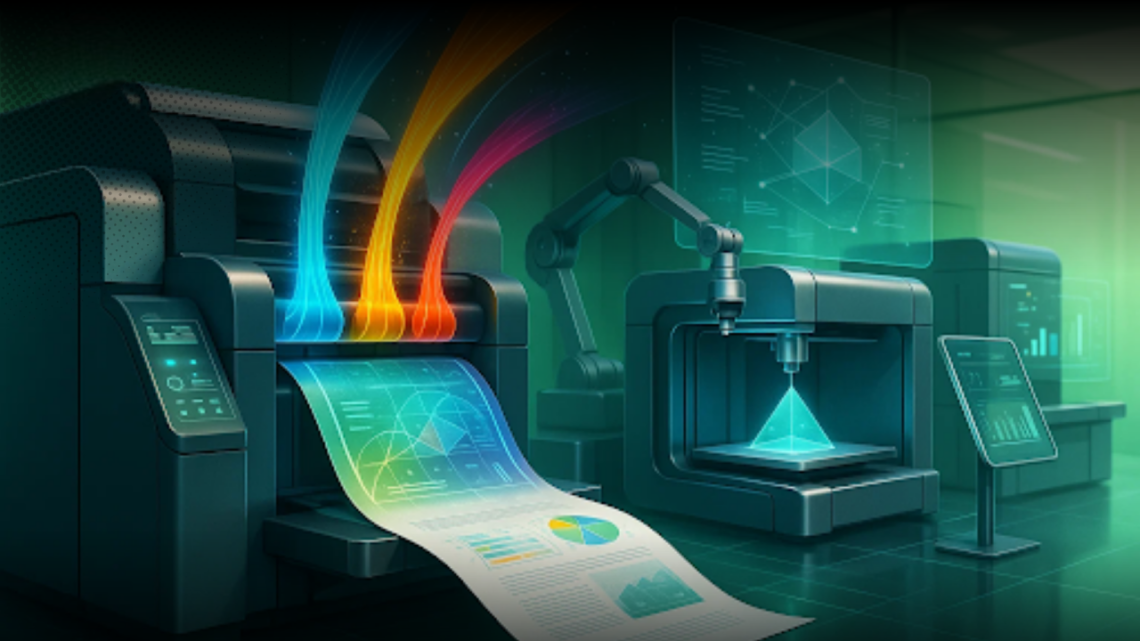
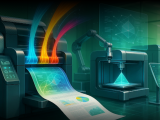
Printing isn’t disappearing — instead, it’s evolving into something smarter, greener, and more integrated than ever. In fact, the myth that print is “dying” no longer reflects reality. Today, the printing industry is entering a new phase where traditional printing, digital technology, and advanced manufacturing work together. As a result, Future Printing Industry 2026 is becoming a milestone year for the industry. Not only are print technologies improving, but also production systems are becoming faster, more efficient, and environmentally responsible.
Future of AI-Powered Prepress & Workflow Automation
Artificial Intelligence is rapidly transforming prepress departments. Previously, many technical tasks required manual effort. However, modern AI-driven software now handles operations such as color correction, imposition planning, bleed detection, and resolution checks.
Consequently, turnaround times have dropped significantly in high-volume print environments. Moreover, AI systems identify potential errors much earlier in the workflow. Because of this, print shops reduce costly reprints while also improving production efficiency.
At the same time, customer satisfaction improves because jobs reach completion faster and with higher accuracy.
Future Printing Industry 2026: How AI Is Transforming Prepress & Print Workflows
As a result, printers reduce energy use, minimize waste, and maintain better resource control.
Smarter Error Detection in Modern Print Production
1. Soy-based and water-based inks 2. FSC-certified paper demand growth 3. Recycled packaging materials 4. Energy-efficient printing presses
Furthermore, many corporate clients now request carbon-footprint reports before approving large print projects. In addition, sustainability compliance has become mandatory in several government tenders.
Because smarter layout planning and digital proofing tools reduce waste, print shops operate more responsibly. Therefore, environmental certifications have also become a strong marketing advantage for modern printing companies.
Hybrid Printing Models (Offset + Digital Integration)
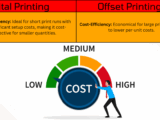
1. Offset printing handles bulk production 2. Digital printing manages variable data and personalization 3. Integrated finishing systems combine both outputs
For example, a printer can produce 10,000 brochures using offset printing. Afterward, digital presses can add personalized names, serial numbers, or QR codes.
Variable Data Printing (VDP) Is Booming
Personalized marketing continues to grow in 2026.
1. Personalized direct mail 2. Customized packaging 3. Unique QR codes per customer
This model allows businesses to:
Consequently, businesses deliver both high-quality mass printing and customized marketing materials.
Because of this flexibility, hybrid printing has increased profitability for commercial printers handling both short-run and long-run jobs.
Smart Packaging & Interactive Print
Printed materials are also becoming interactive. Today, smart packaging connects physical products directly to digital experiences.